Legends
Set 1: Musicians Set 2: Actors Set 3: Superheros
Offset Lithograph
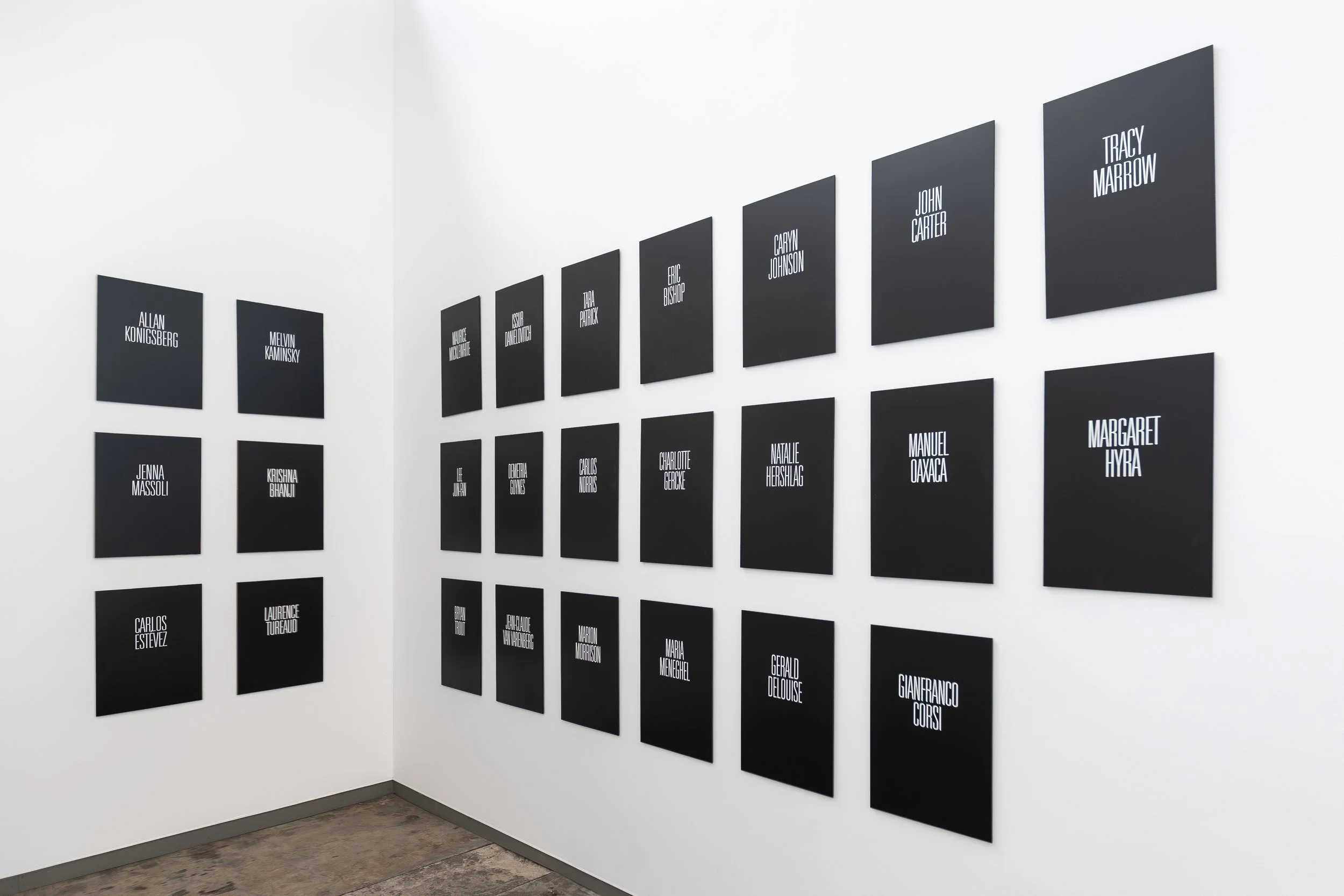
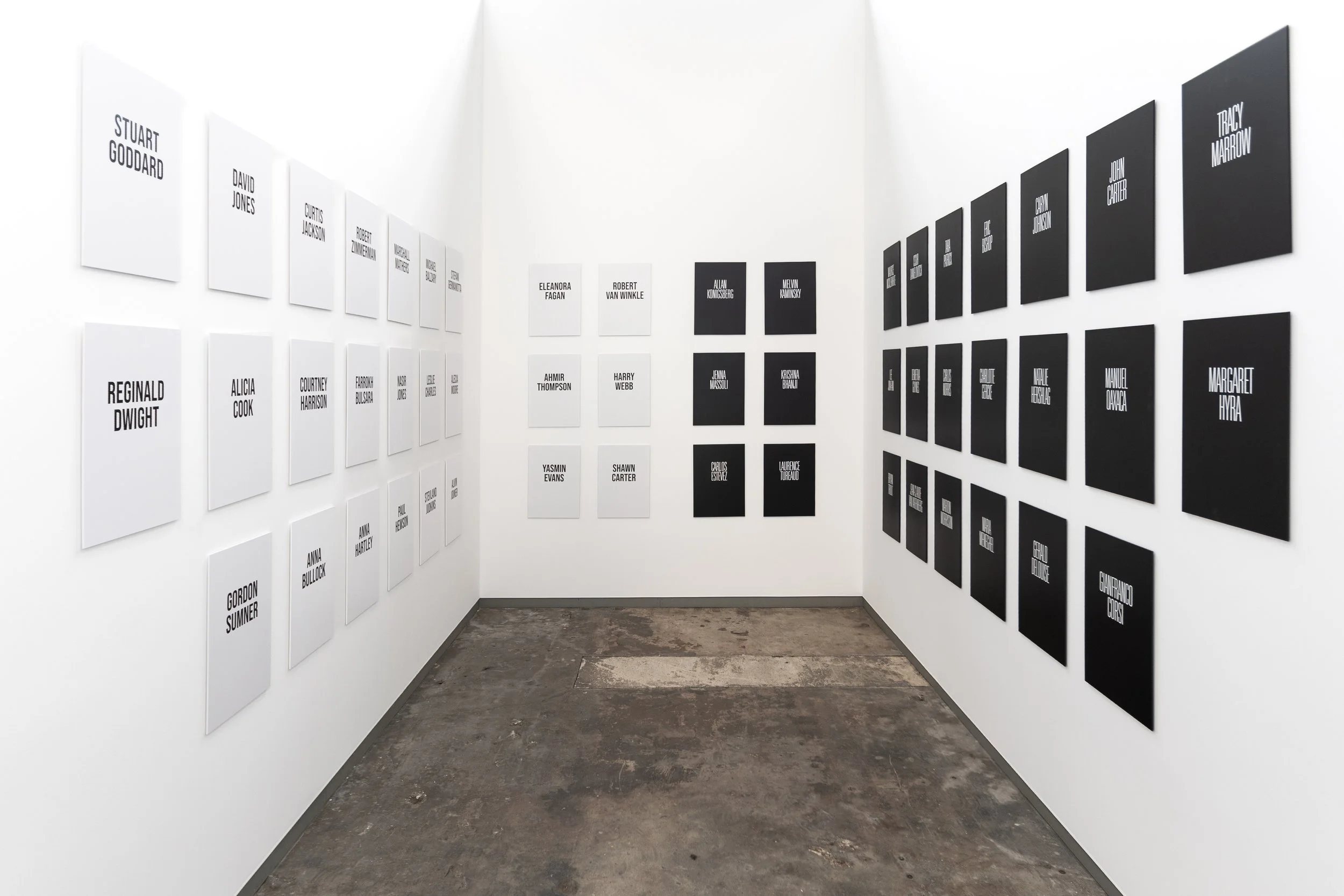
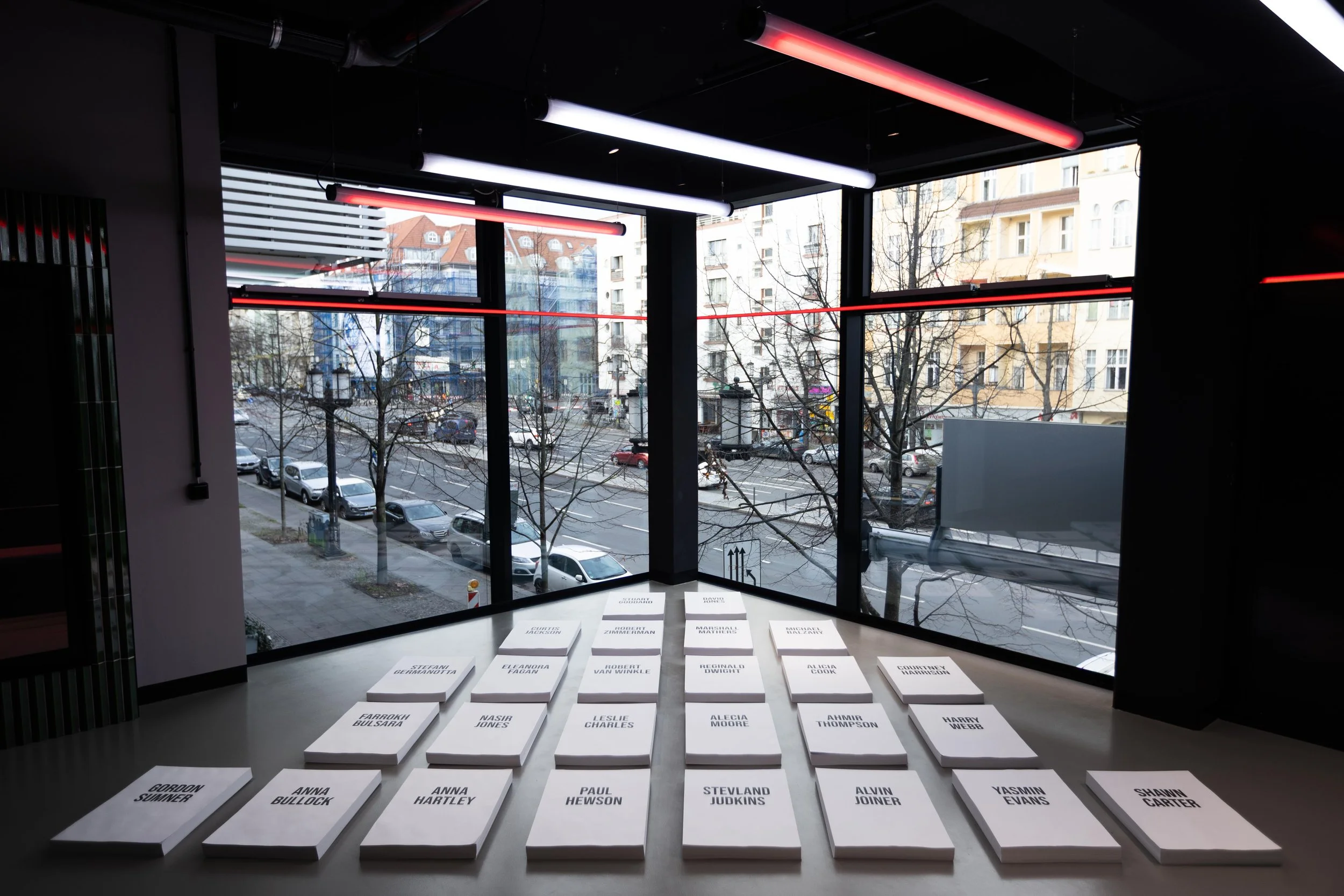
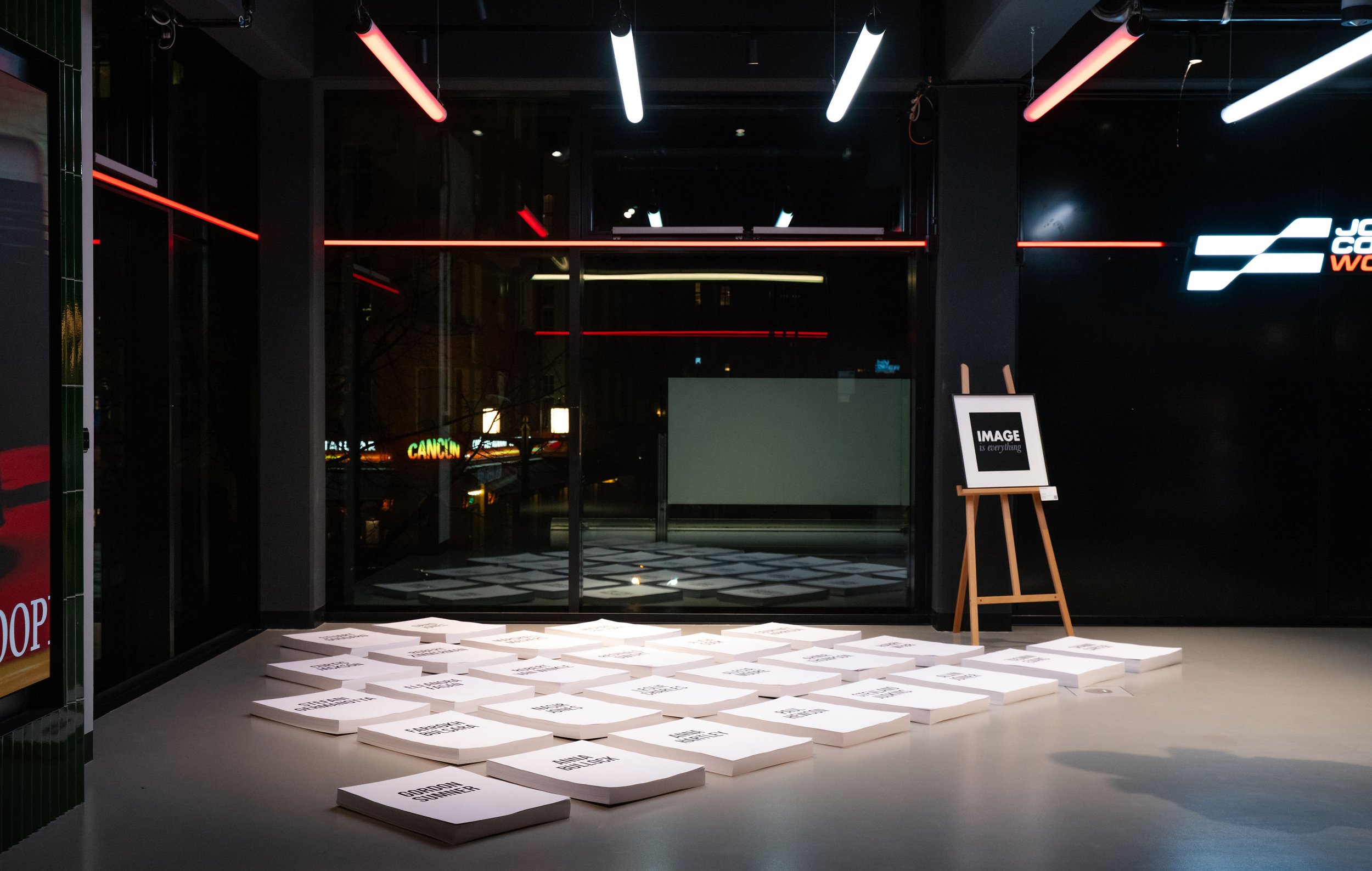
Installation and dimensions variable, site specific
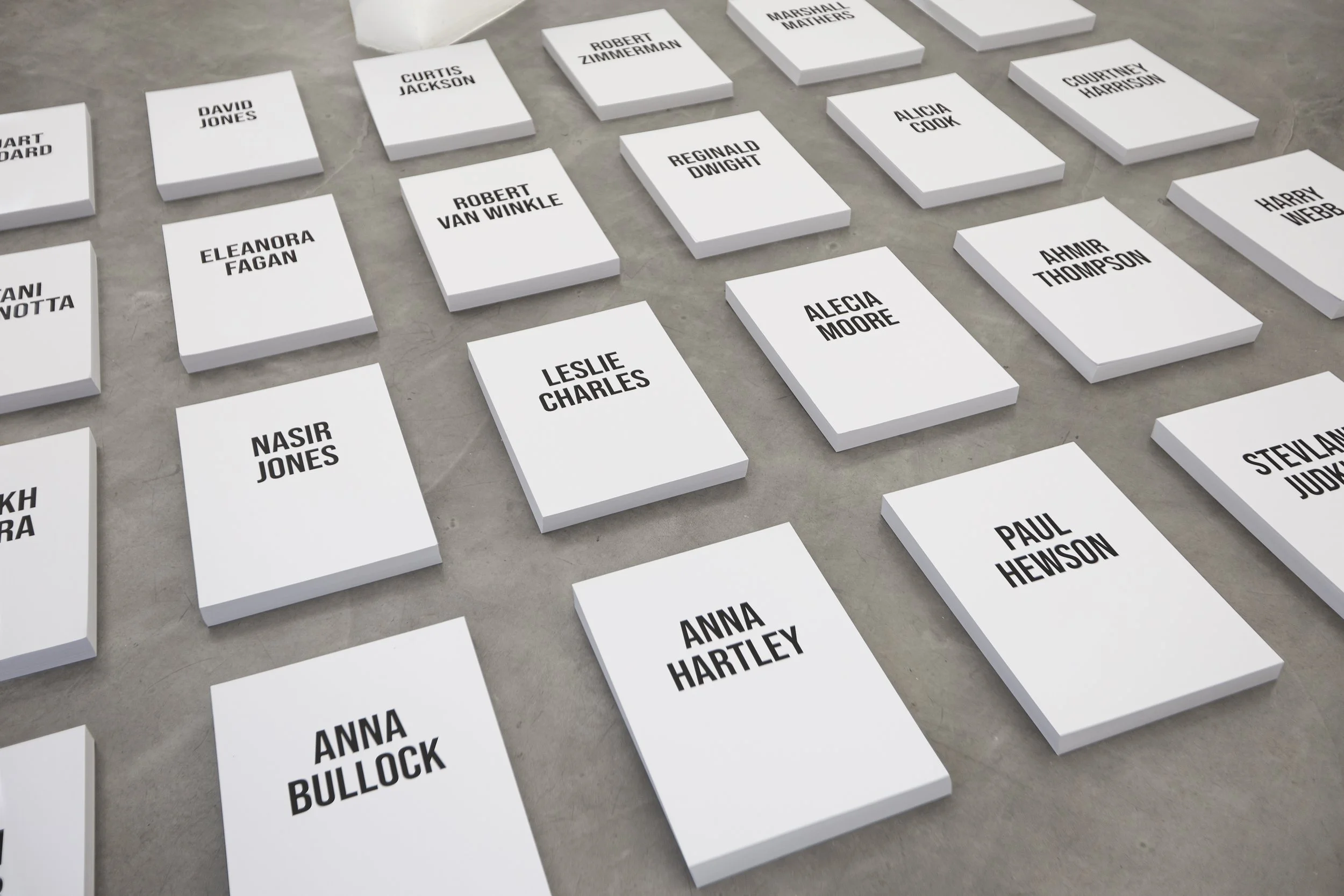
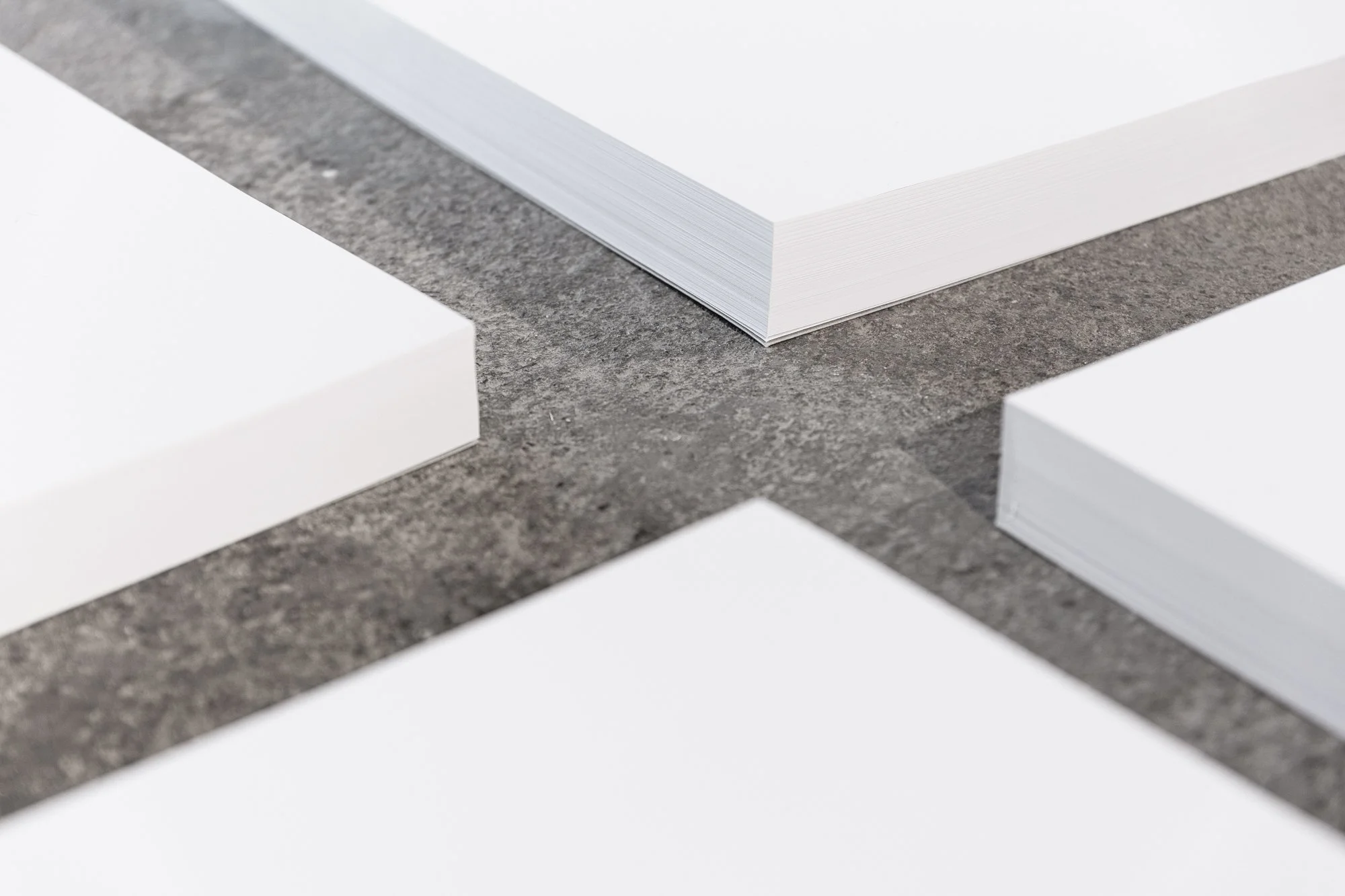
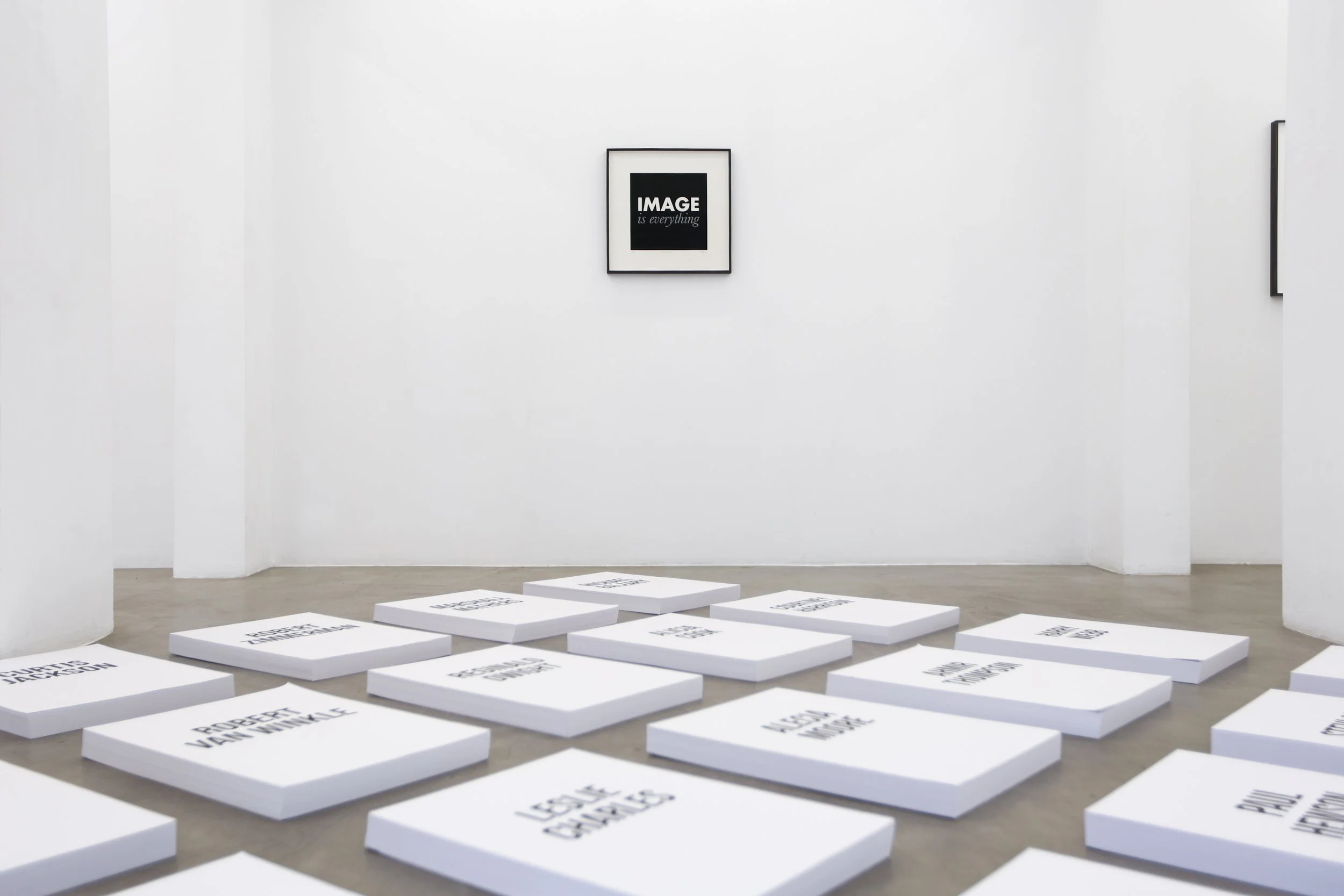
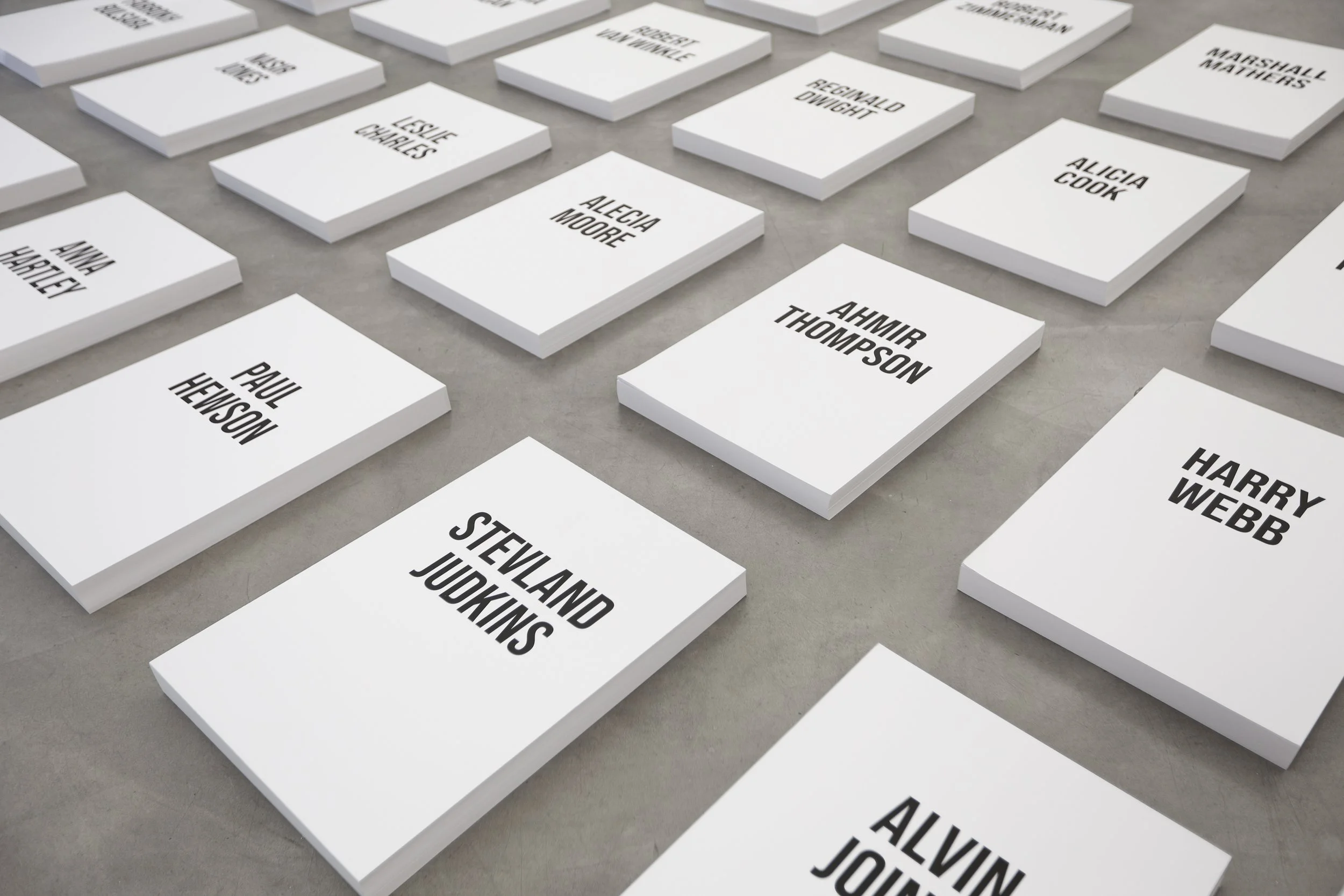
26 Stacks in a set. 250 printed sheets in one stack.
Every page printed. 6500 prints in each set.
One stack: 42 × 59 × 5 cm
Edition 3 of each set
2025/6
About
With 'Legends,' I have created a significantly variable installation in memorial form that initiates a three-part conceptual triptych: Set 1: Musicians, Set 2: Actors, and Set 3: Superheroes. Together, these works explore the relentless cycles of identity, termination, and transformation.
My work confronts the high cost of becoming an icon. I focus on the necessary ending of the private self to achieve public iconography, a process I view as a radical form of freedom and self-liberation.
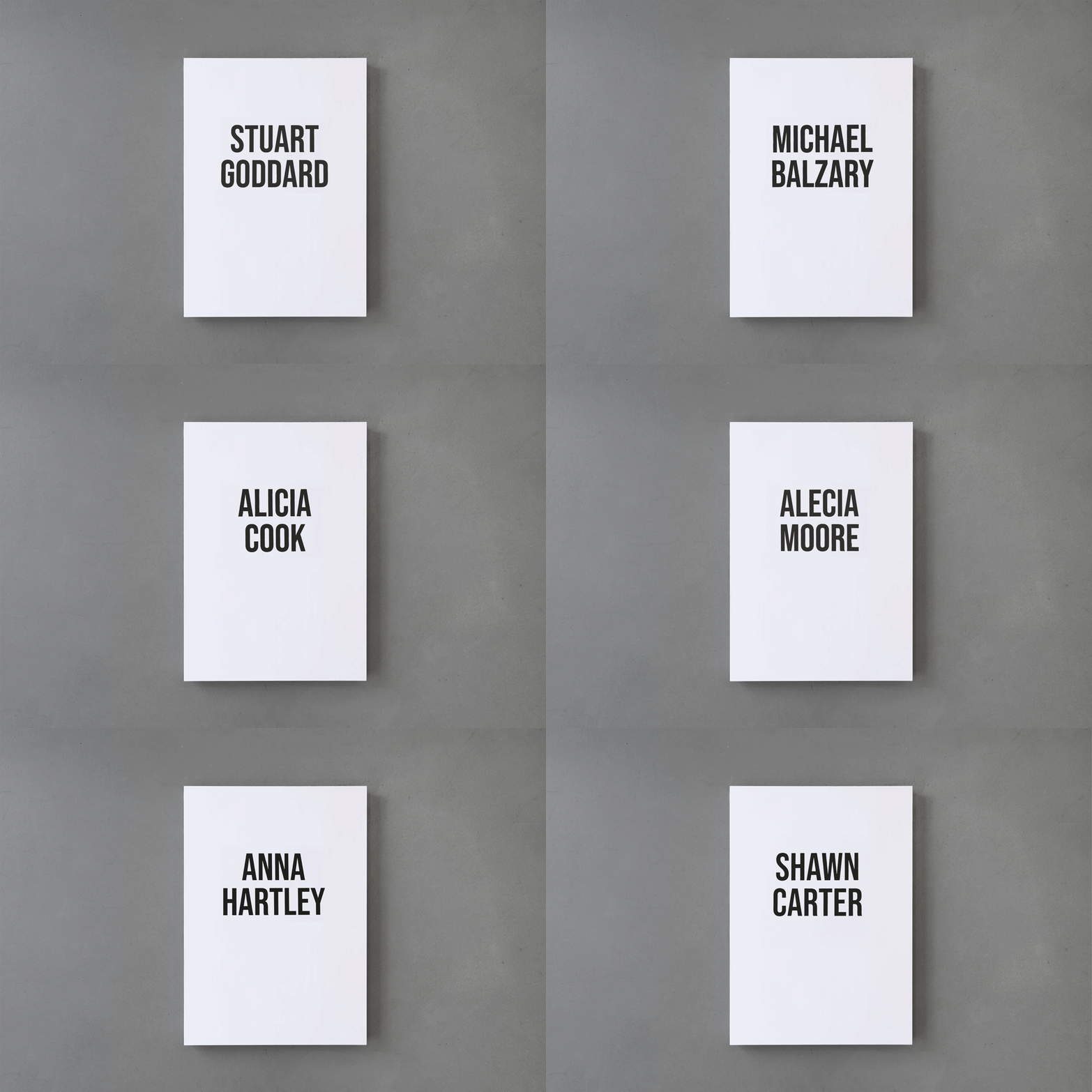
Through Legends, I interrogate how language claims authority over who we are. I utilise the authoritative quality of typography to create a memorial for self-interruption and rupture. The installation is variable ands site specific, it has featured 26 stacks of offset lithographs, or 26 individual title cards, one for each letter of the alphabet, where names are configured as an alphabetised riddle. These are the original birth names of famously influential figures; individuals whose birth identities were effectively shed or terminated to allow their culturally impactful avatars to be born and rise again.
Drawing a direct parallel between the marketing of an icon and my own navigation of the diaspora. In our modern urban landscape, advertising has become the primary architecture of identity and a canvas where urban metaphysics is required to make sense of a world that seems structured, yet one where it is so easy to get lost within the masses. By using the aesthetic of the mass-produced sheet, I highlight how birth names are processed into legends. Each sheet functions as a semiotic puzzle where the iconography of the New Name provides the structural authority, while the typography of the Birth Name provides the hidden content.
Through this relentless repetition, I confront the systemic necessity of unacceptance. I am suggesting that in our advertisement-driven existence, a name is often only as valuable as its ability to be authored and sold. By presenting these ghost names in a repetitive, industrial form, I am asking: in the rush to create a legend, who owns the original identity, and what is lost when a name is "typeset" for the public?